
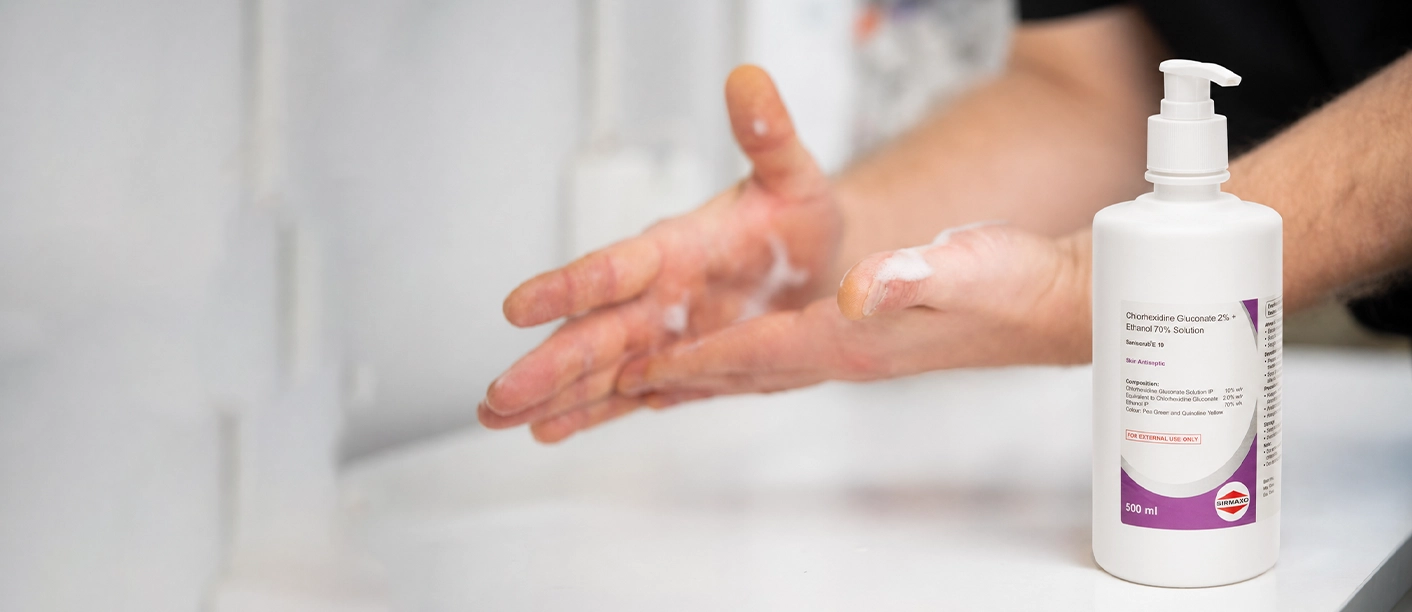
Wound cleansing and skin disinfection are an indispensable part of the healing process. It is vital to understand how to use a skin antiseptic solution properly when preparing for surgery, caring for a minor injury, and treating wounds at home.
The right use of an antiseptic solution reduces the number of microorganisms on the skin and prevents infection.
This blog discusses how you should use a skin antiseptic solution properly and the key differences between various antiseptic solutions, including how to choose the right antiseptic manufacturer for healthcare facilities.
Why Is a Skin Antiseptic Important?
The skin is covered with microorganisms that usually do not harm humans. However, broken skin can allow bacteria to penetrate deeper layers and cause infection.
To prevent this, prior to invasive procedures, a skin antiseptic is applied to remove bacteria and reduce the number of microorganisms on the skin.
A healthcare provider typically recommends an antiseptic solution depending on the type of wound and specific circumstances.
Some of the cases when a skin antiseptic is needed are:
- Cleansing minor wounds and abrasions
- Dressing changes
- Injections and IV catheterization
- Preparations for invasive procedures, such as surgery
- Various healthcare procedures
Which Antiseptic Solution is Better to Use: Chlorhexidine or Povidone Iodine?
There are several antiseptic solutions available for use, depending on the situation.
For example, chlorhexidine solution is a broad-spectrum antimicrobial that is used for pre-operative skin preparation, catheterization, and other procedures.
Povidone-iodine solution is another antimicrobial solution that is used frequently for wound cleansing and skin preparation for surgery because it can kill bacteria, fungi, viruses, and some spores.
A healthcare provider determines which antiseptic solution to use, depending on patients’ conditions and specific situations. For example, when a chlorhexidine solution is unsuitable, a povidone-iodine solution is used instead.
How to Use a Skin Antiseptic: Step-by-step Guide
It is essential to follow the instructions and prepare the wound correctly to get the best results from a skin antiseptic solution.
The proper use of an antiseptic solution is as follows:
Step 1: Wash Your Hands
The first step is to wash hands with soap and water or an alcohol-based rub.
Step 2: Clean the Wound or Affected Area Appropriately
To help antiseptic solution remove pus, dry blood, foreign matter, and other contaminants from the injured area or skin, clean and rinse the affected region with sterile saline or water, as applicable.
Step 3: Apply an Antiseptic Solution
Sterile gauze, cotton, or an applicator, as recommended by the manufacturer, can be used to apply the antiseptic solution.
Apply the recommended wound antiseptic on the affected area lightly, avoiding harsh rubbing, if not specified otherwise.
Step 4: Allow it to Dry
Let the applied antiseptic dry, whether it is chlorhexidine solution or povidone-iodine solution. The drying process activates and enhances antimicrobial activity, helping to diminish the number of microorganisms.
Step 5: Cover the Wound with a Dressing, If Needed
If required by a healthcare provider, cover the wound with a sterile dressing after an antiseptic solution dries.
How to Use Surgical Skin Antiseptic Before Surgery?
A surgical skin antiseptic is usually applied to kill microorganisms at the site of the surgery and diminish the risk of infection.
Most often, healthcare professionals recommend the following steps for proper use of a skin preparation solution before surgery:
- Remove any foreign material from the site of the surgery.
- Apply an antiseptic solution with sterile gauze to the area that will be incised.
- Ensure that surgical skin preparation covers an adequate area.
- Let the antiseptic dry before proceeding to the next stage of the surgery.
Proper preoperative skin preparation ensures the safety of the patient and diminishes the risks of post-surgical infections.
Common Mistakes to Avoid When Using a Skin Antiseptic Solution
When using a skin antiseptic solution, it is critical not to make the following mistakes:
- Using an antiseptic solution on a heavily contaminated wound without preliminary cleaning procedures
- Mixing antiseptic solutions with other products when it is not recommended
- Touching the treated area before it is dry
- Using an expired solution
- Not following the manufacturer’s instructions, such as the recommended contact time of the antiseptic solution with the skin
The right use of an antiseptic solution ensures that a wound antiseptic works efficiently and provides the expected healing effects at home and in healthcare facilities.
Choosing the Right Antiseptic Manufacturer
When choosing a Skin antiseptic manufacturer, healthcare facilities should consider various factors, such as:
- The manufacturer’s production rules, including GMP certificates
- Regulatory registration and other documentation
- The quality control process
- Packaging
- Batch release
- Supply continuity
When choosing antiseptic suppliers for a hospital, consider their experience, certifications, and reputation on the market.
For instance, a hospital would benefit from collaborating with a povidone iodine manufacturer India that has been producing antiseptic solutions for many years and has excellent reviews from its clients.
Additionally, a hospital might want to choose a chlorhexidine gluconate supplier India that has an extensive network of distribution channels and can provide products reliably.
Best Practices for Safe Antiseptic Use
To get the most out of using a skin antiseptic solution, follow these tips:
- Always use the antiseptic solution as the manufacturer recommends.
- If possible, use antiseptic solutions in their original packaging.
- Make sure the caps are on the bottles to keep the antiseptic solution from getting contaminated.
- Use antiseptic solutions as recommended by your healthcare provider.
- If you have a severe wound, seek medical attention.
Choosing the right skin preparation solution and using it correctly helps to ensure the best results in terms of wound healing and patient safety.
Conclusion
Proper use of a skin antiseptic is essential to keep wounds free from bacteria and accelerate the healing process.
Even though there are many types of antiseptic solutions to choose from, such as chlorhexidine solution and povidone-iodine solution, it is crucial to remember that the proper use of an antiseptic solution helps eliminate the number of microorganisms and diminish the risk of infection.
Frequently Asked Questions
Q: Can a chlorhexidine solution be used instead of a povidone-iodine solution?
A: Both chlorhexidine and povidone-iodine solutions are antiseptic solutions, but they are used in different indications. A doctor will recommend which solution to use based on the indication and individual patient factors.
Q: Can a surgical skin antiseptic be used for home care?
A: Depending on the antiseptic solution, some antiseptics can be used for home care. However, a surgical skin antiseptic should always be used as recommended by a healthcare provider.
Q: Why is pre-operative skin preparation essential?
A: Preoperative skin preparation is essential because it reduces the number of microorganisms on the skin and helps prevent surgical site infections.
Q: What should be considered when choosing a skin antiseptic manufacturer in India?
A: When choosing a skin antiseptic manufacturer in India, it is essential to pay attention to production standards, documentation, quality control, and supply chains.


